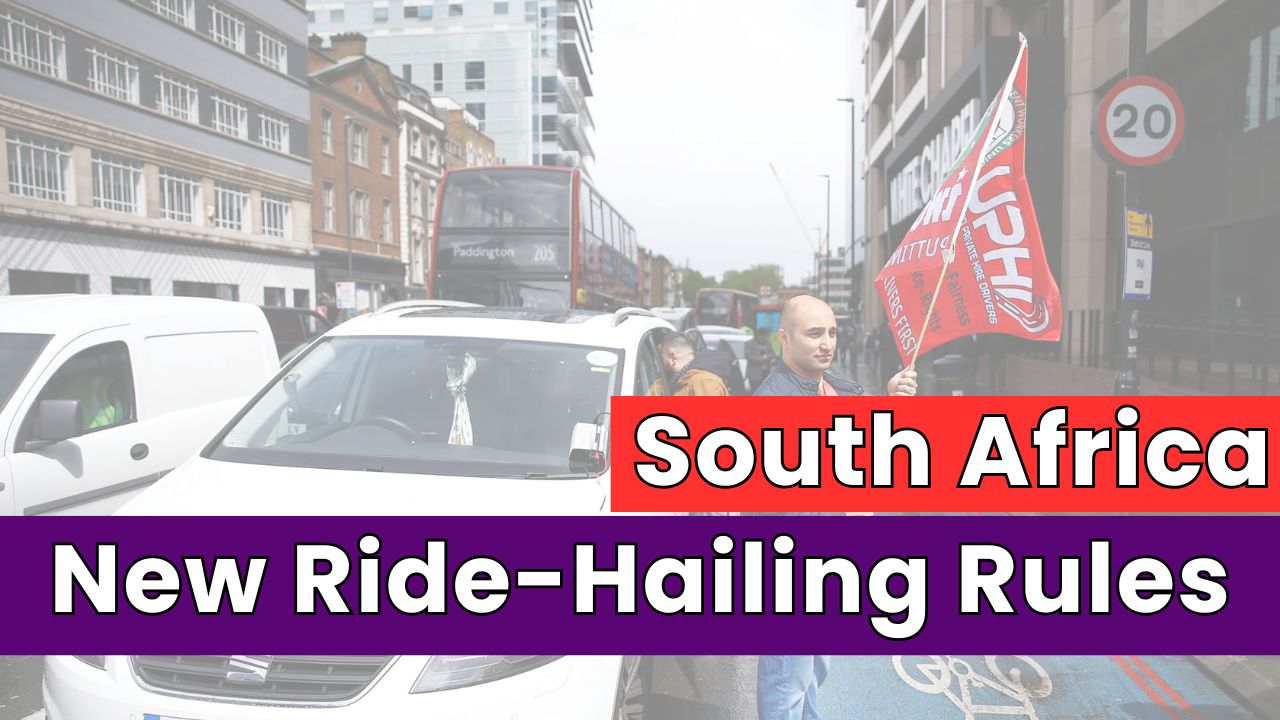
Red flags for the new Uber and Bolt laws in South Africa are the modern regulation on the actions of Uber and Bolt drivers as well as new obstacles for drivers, passengers, and industry observers.
Intended to improve safety, fairness, and compliance with services on one hand, these renewed laws bring in a couple of challenges, such as the final impact on tariffing, driver pay, and the availability of ride-hailing services in South Africa.

Stricter Compliance Requirements
Perhaps the most concerning is the administrative burden that these laws will impose on drivers. The new laws have got new licensing and roadworthy certification as well as vetting the driving record and criminal record history of the drivers. These measures, obviously, are for public safety but have some sorts of financial implications inhibiting some drivers from getting legal operating clearance among other interruptions.

Possible Increase in Ride Prices
Higher operating expenses could force drivers to raise their fares to stay in business. This could mean higher fares for commuters for everyday drives, especially during peak hours and for long-distance destinations, making ride-hailing less affordable to many South Africans relying on these services as an alternative to the traditional taxis.

Impact on Driver Earnings
Given the fluctuation in earnings that exists for most drivers’ on-the-road necessities such as fuel tastes, commission deductions, and irregular demand, the proposed regulations could significantly erode drivers’ usual incomes, leading to a loss of some drivers from the sector.

This, in turn, could cause a shortage of drivers active in the delivery of passenger services and, in turn and was also observed for this to be applicable, increase turnaround time for the commuters.

Likelihood that Services Might Stop in Smaller Towns
Now, the private taxi service providers’ priority stands in their respective bustling cities. If they offer passengers in even costlier regions, they will have to consider their joint running costs. Smaller towns do not require you to benefit from ‘ride-hailing’ services later on. Rural areas may survive a total service discontinuation in times when the local economy cannot sustain the operational base.
Worries from drivers/Trade Unions
Unions are worried that the consultations did not take place to solve some of the grievances presented. There are fears that the laws are more beneficial to corporate platforms than individuals while putting drivers at a disadvantage to genuinely negotiate the terms and agreements with the platform and adjust the fees.
Conclusion
In light of this, however, a word of caution is necessary in terms of the new Uber and Bolt regulations aimed at normalizing and securing the industry of ride-hauling: How affordable the so-called “compliance costs” will be at the end of the day, and how the drivers’ costs hold up, all being glaring issues.
Without plausible enabling mechanisms and unbiased implementation, both passengers and drivers could be sitting with huge dark holes of consequences on the onset of such regulations.